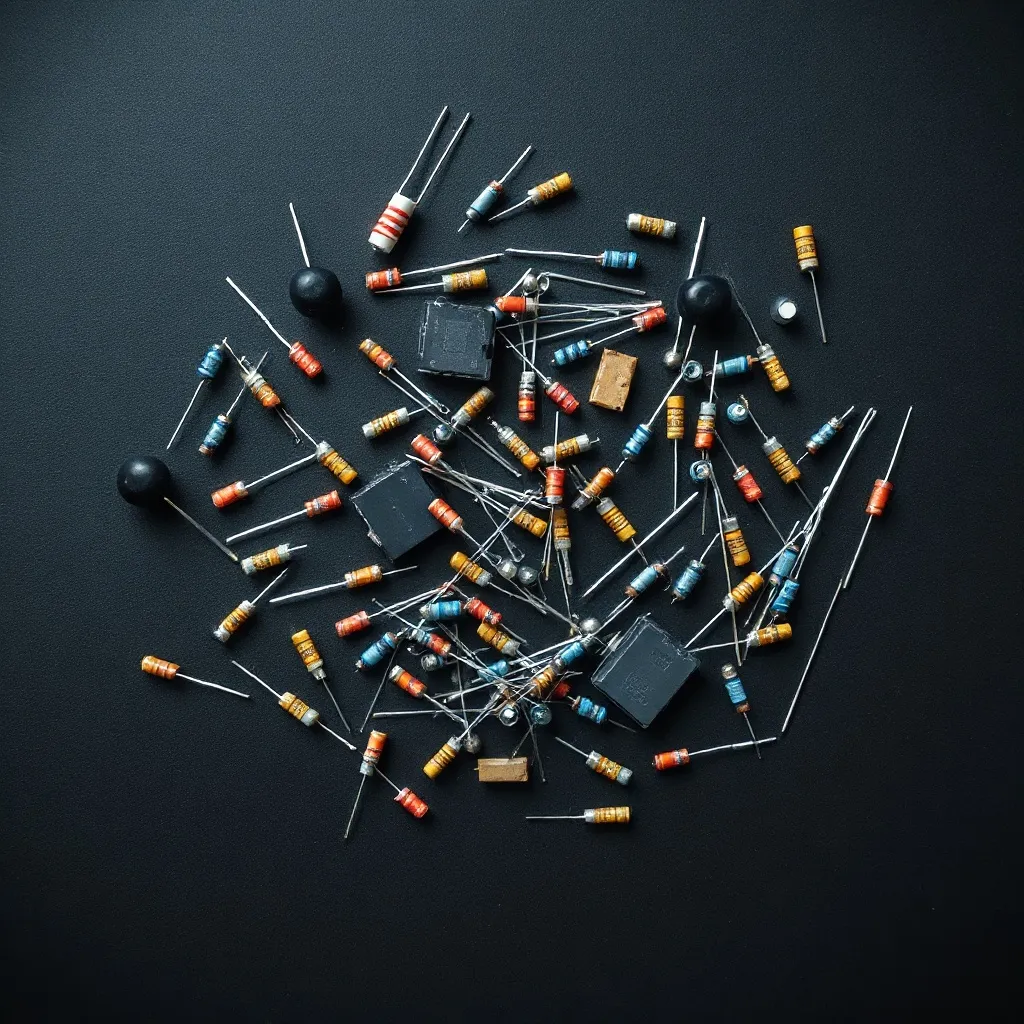
Why Component Costs Are Rising in 2026 — And How to Tell What Is Real
If you have had a supplier quote come back higher than expected recently, you are not alone.
Component prices across consumer electronics are rising in 2026. Memory, passives, copper-heavy components, power semiconductors — costs are up across the board. The increases are real and they are affecting every brand building hardware products right now.
But the reasons suppliers give for these increases are often incomplete. And in a rising market, the ability to separate genuine cost pressure from opportunistic pricing is one of the most valuable skills a founder can develop.
What Is Actually Driving Costs Up
There are three real structural forces behind the current price environment. Understanding them helps you evaluate what you are hearing from suppliers.
AI is competing for the same components you need. The AI infrastructure buildout — data centres, AI servers, AI-enabled devices — consumes enormous volumes of memory chips, passive components, and power semiconductors. These are the same components that go into consumer cameras, audio glasses, wearables, and lifestyle electronics. When AI customers are buying in vastly larger volumes and at higher margins, semiconductor manufacturers and component distributors prioritise them. Consumer electronics moves to the back of the queue, and prices reflect that.
Raw material costs have reset higher. Copper — which feeds into every PCB, cable, and connector — reached record territory in early 2026. Rare earth materials used in magnets and sensors have risen due to export restrictions. Cobalt used in batteries rose sharply when export constraints hit supply. These are upstream input costs that filter through the entire manufacturing chain.
Supplier contracts repriced at the start of the year. Q1 is when suppliers reset commercial agreements. In a market where costs are rising, this is when they protect their margins. The repricing happens regardless of whether there is a shortage — it is structural commercial behaviour, not necessarily a supply emergency.
What Is Noise
Geopolitical narratives — conflict, sanctions, trade tensions — circulate constantly in supply chain conversations. Some of them are real factors. Most of the time they are used to justify increases that have other root causes.
When a supplier cites a specific geopolitical event as the reason for a price increase on a passive component made in Taiwan or Japan, it is worth asking how directly that event affects that specific supply chain. Often it does not — or only marginally.
The more important dynamic to understand is this: in a rising market, every intermediary in the chain has an incentive to add margin because buyers expect increases and often do not push back. A 10% real cost increase can become a 25% price increase by the time it reaches a small brand that is not watching closely.
How to Tell the Difference
There is no single method that works every time, but a few practices help founders stay grounded.
Get multiple quotes on the same component spec. If three suppliers quote within a narrow range, the pricing is likely structural. If one quote is 30% higher than the others, someone is padding. This takes time but it is the most direct check available.
Know your BOM well enough to spot the vulnerable components. Not every component is rising equally. Memory and AI-adjacent semiconductors are up sharply. Display panels are actually softer. Passive components vary widely by category. A founder who understands which line items in their BOM are genuinely under pressure — and which are not — can push back intelligently.
Separate the urgency from the reality. "Prices are going up next week, lock in now" is a sales tactic as much as it is a warning. Sometimes it is genuinely true. Often it is pressure to close. Verifying before committing is almost always the right move.
What This Means for Founders Building Right Now
The honest advice is not to panic and not to ignore it.
Component cost pressure in 2026 is real and structural. It is not a short-term blip that corrects in a quarter. AI demand pulling on shared component supply is a multi-year dynamic. Raw material costs have reset at a higher level. Founders building hardware products need to price this reality into their BOM from the start — not discover it mid-development when the quote comes back 20% higher than the model assumed.
But the founders who navigate this best are also the ones who stay calm, do their homework, and build relationships with manufacturing partners who understand the component landscape well enough to source intelligently — not just pass increases through uncritically.
The goal is not to avoid cost increases. It is to pay the real ones and push back on the manufactured ones.
World Sourcing Ltd manages component sourcing and BOM optimisation for the consumer electronics brands we develop and manufacture in Shenzhen. If rising material costs are affecting your current project or your planning for a new one, we are happy to talk through what we are seeing in the market right now.
Contact: jerry@worldsourcingltd.com